Why Visit Dancharia in Spain: A Border Village Full of Surprises
In Dancharia, French VAT does not apply, allowing local businesses to offer certain products at prices much lower than those on the other side of the border. Despite its modest size, this village attracts thousands of visitors each year who come to enjoy a dense commercial offering and renowned regional cuisine.
This constant influx has transformed the local economy, generating a network of services and activities that are hard to find in other border villages. Consumption habits and cultural exchanges take on unique forms here, a result of this both strategic and atypical position.
Dancharia, a border village in the heart of the Spanish Basque Country
At the border of France and Spain, Dancharia embodies much more than just a crossing point. This border village, nestled in the province of Labourd at the foot of the Pyrenees, benefits from a privileged location, just a stone’s throw from Ainhoa and Espelette. Taking the winding road from Saint-Jean-de-Luz to Dancharia means crossing rolling landscapes and connecting, in just a few kilometers, two cultures and two rhythms of life.
Dancharia is far from a neutral zone. Over time, the village has developed a strong character, welcoming merchants, pilgrims, smugglers, and families coming to stock up at the border. The Camino de Santiago still crosses this crossroads, giving the place a marked heritage and spiritual dimension. Hikers find an ideal starting point towards the Otxondo pass or the trails of the GR10, oscillating between mountains and local tradition.
For those wishing to visit Dancharia in Spain, the experience goes well beyond a simple shopping stop: it’s an opportunity to dive into the energy of a cross-border market where gastronomy, craftsmanship, and cultural mixing intertwine. Free parking and modern facilities make the stay comfortable, without ever betraying the village’s attachment to its Basque roots. Close to the famous Zugarramurdi caves and just a stone’s throw from the Atlantic coast, Dancharia is part of a dynamic of passage, but also of authentic encounters. Here, the border shapes a vibrant, open territory where diversity is experienced daily.
What surprises await visitors between shopping, gastronomy, and Basque traditions?
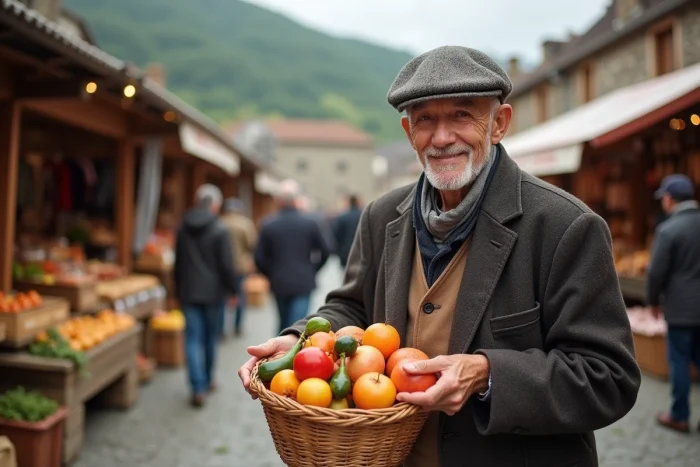
Wandering through the aisles of Dancharia, one discovers a unique commercial area, animated by overflowing vitality. Visitors encounter families and groups of friends who come to take advantage of very competitive prices on products like alcohol, tobacco, cosmetics, or clothing. The lighter Spanish VAT and advantageous customs limits bring a unique effervescence to Dancharia at the Franco-Spanish border. Large brands and small specialized shops coexist, offering both shopping classics and local Basque products.
To give an idea of the diversity, here are some must-haves to find on the stalls:
- Iberian ham, rivaling with sheep cheese or homemade jams
- Espelette pepper and the traditional Basque cake
- Patxaran, this local liqueur with a unique taste
- Wines from Rioja and Ribera del Duero, flagship wines of the peninsula
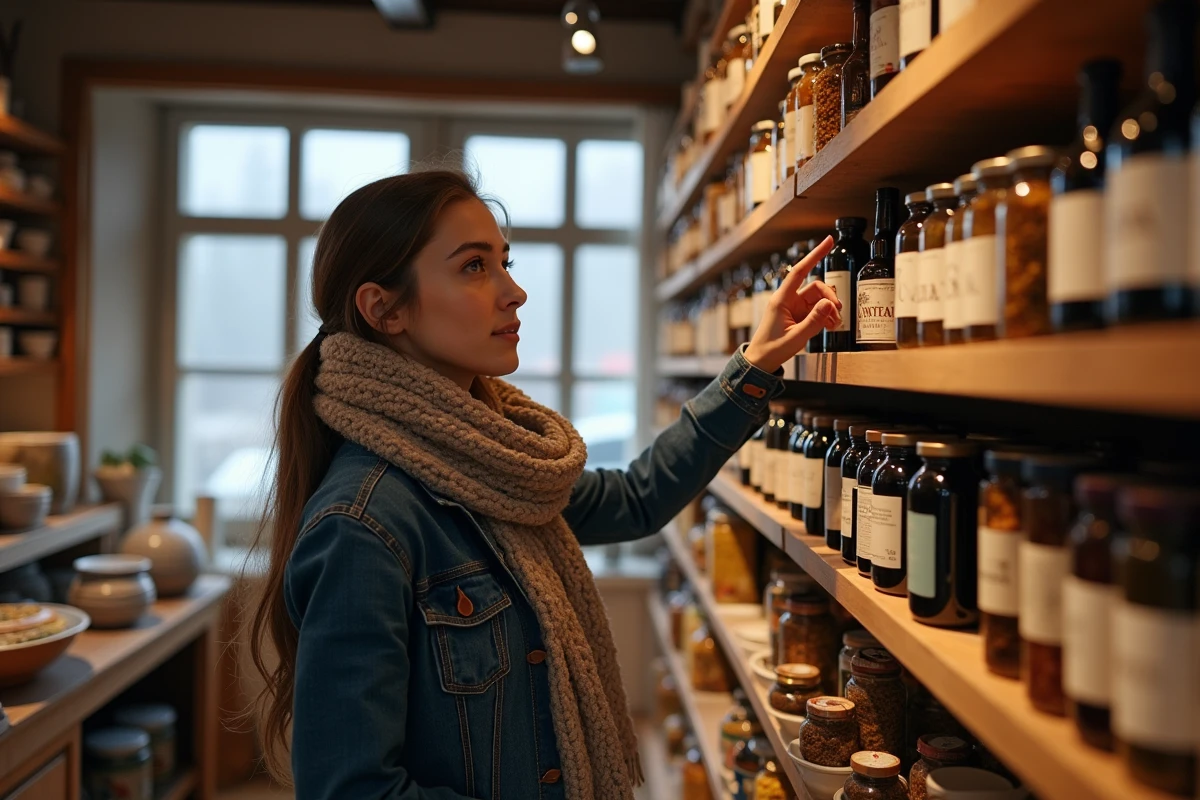
At the table, the discovery continues: pintxos, tapas, and axoa invite themselves to the plate, revealing the full palette of Basque gastronomy. But Dancharia is not limited to its shops: the village proudly asserts its identity. In the boutiques, craftsmanship holds a prominent place: handmade espadrilles, decorative objects, authentic souvenirs. The staff, often bilingual, assists visitors in their choices while ensuring compliance with customs regulations. Each visit becomes a journey where shopping, culinary pleasures, and Basque culture intertwine at every turn.
An authentic experience to be lived all year round, far from clichés
Dancharia is not just a succession of shops. At every corner, the Basque soul expresses itself: Euskara resonates on the terraces, local producers hold their ground, and festivals punctuate the year. Here, the Franco-Spanish border connects more than it separates. It is not uncommon to see locals and visitors sharing a traditional dish or exchanging over a glass of sidra. Restaurants serve sheep cheese, revisited axoa, Pyrenean trout, or Basque cake without pretense, in a simple and sincere atmosphere.
Throughout the year, Dancharia attracts both the curious from France and hiking enthusiasts, drawn by the proximity of the Otxondo pass or the Camino de Santiago. Craftsmanship is very much alive here: handmade espadrilles, wooden objects, embroidered textiles, each creation illustrates a tradition passed down from generation to generation. Occasional markets, a friendly atmosphere, and diverse offerings remind visitors of the village’s richness.
Easy access further enhances this feeling: numerous free parking spaces, modern facilities, and a family-friendly atmosphere. Dancharia, far from frozen backdrops, offers a sincere encounter with the Spanish Basque Country. Here, there is no superficial folklore, but the discreet strength of a border village that cultivates movement and openness, season after season. One leaves with the impression of having crossed more than just a geographical boundary: a threshold where the border becomes a space for living, exchanging, and discovering.